
 Español
 Portugues
 Pусский
 Français
 Deutsch
 日本語
日本語 한국어
한국어 العربية
 Italiano
 Nederlands
 Ελληνικά
 Svenska
 Polski
 ไทย
ไทย Türk dili
 हिन्दी
 Indonesia
 Melayu
 Tiếng Việt
 中文
中文 dansk
dansk Magyar
 қазақ
қазақ বাংলা
বাংলা עִברִית
 čeština
 Soomaali
 မြန်မာ
 فارسی
فارسی українська
 norsk
norsk Gaeilge
 беларускі
 Română
 ພາສາລາວ
 Filipino
 lietuvių
 Cymraeg
 македонски
 Suomalainen
 slovenský
 o'zbek
 اردو
اردو հայերեն
 Igbo
Igbo български
 سنڌي
سنڌي Shona
Shona සිංහල
සිංහල Hrvatski
 íslenskur
 galego
 català
 Zulu South Africa
 Afrikaans isiXhosa
 ಕನ್ನಡ
ಕನ್ನಡ lëtzebuergesch
 Indonésia Sunda
 Кыргызча
 тоҷикӣ
 Србија
 Twi
Twi Hawaii
 Cebu
Cebu नेपाल
नेपाल euskara
 frissi
 יידיש
יידיש latvija
 slovenija
 kiswahili
 ਪੰਜਾਬ
ਪੰਜਾਬ پښتو
پښتو საქართველოს
 hua moni
 bosna
bosna Kreyòl ayisyen
 Eesti
Eesti Gàidhlig na h-Alba
 Samoa
Samoa Монгол
 Azərbaycan
 አማራ
አማራ Shqipëria
 Malagasy
 Malta
Malta ខ្មែរ
ខ្មែរ Chicheva
 中文(繁体)
 ଓଡିଆ
ଓଡିଆ Setswana
 Afrikaans
 Aymara
 Башҡорт
 Türkmenler
 ትግሪኛ
ትግሪኛ Afaan Oromoo
 অসমীয়া
 Kinyarwanda
 Ilocano
 Wolof
Wolof अवधी
अवधी Oluganda
 Bikol
Bikol Fulɓe
Fulɓe Kikongo
 Sango
Sango ދިވެހި
 Lingala
 मैथिली
 Tsonga
 ꯃꯦꯏ ꯊꯥꯏ꯫
 brezhoneg
 Furlan
 नेवा
नेवा རྫོང་ཁ
 Santali
 Аҧсуа
Аҧсуа Нохчийн
 Чӑваш
Чӑваш Татар
Татар Batak Karo
 دری
دری Diura
Diura Fengyu
 Eʋegbe
 Iban
Iban Fiji
Fiji Tonga
Tonga Inuktitut
 Nahuatl
 maaya yucatec
 Runasimi
 guarani
 Qafar
Qafar Acholi
 Dinka
Dinka Luo
Luo Lundi
Lundi isiNdebele
 Tshivenḓa
 Sesotho sa Leboa
 Sesotho sa Borwa
 Ndumbe
 Papuan Pidgin
 Rromani ćhib
 Thok Nath



heavy duty conveyor belt
Heavy Duty Conveyor Belts: Design, Applications, and Benefits Heavy-duty conveyor belts are engineered to withstand extreme conditions, making them essential in industries that require robust material handling solutions. These belts are designed to transport large volumes of heavy or abrasive materials over long distances while maintaining durability and efficiency. Construction and Materials Heavy-duty conveyor belts typically feature multiple layers of reinforcement to ensure strength and longevity. The core consists of high-tensile fabric plies, steel cords, or a combination of both, depending on the application. The top and bottom covers are made from wear-resistant rubber or thermoplastic compounds, providing protection against impact, abrasion, and tearing. Common rubber compounds include natural rubber, SBR (styrene-butadiene rubber), and NBR (nitrile rubber), each selected based on factors like temperature resistance, oil resistance, and load capacity. Key Features 1. High Load Capacity – Designed to carry heavy materials such as ores, coal, aggregates, and bulk goods without stretching or breaking. 2. Abrasion Resistance – The reinforced covers minimize wear from sharp or rough materials, extending belt life. 3. Impact Resistance – Thicker rubber layers absorb shocks from large, heavy loads being dropped onto the belt. 4. Heat and Chemical Resistance – Some belts are treated to withstand high temperatures, oils, or corrosive substances. 5. Flexibility and Strength – Steel cord belts offer superior tensile strength, while fabric belts provide flexibility for curved conveyor systems. Applications Heavy-duty conveyor belts are widely used in: - Mining – Transporting coal, iron ore, and other minerals. - Quarrying & Construction – Moving rocks, gravel, and sand. - Steel & Cement Plants – Handling raw materials and finished products. - Ports & Terminals – Loading and unloading bulk cargo. - Recycling & Waste Management – Conveying scrap metal, glass, and municipal waste. Advantages - Cost-Effective – Reduces downtime and maintenance costs due to long service life. - Efficiency – Enables continuous material flow, improving productivity. - Customization – Available in various widths, lengths, and cover grades to suit specific needs. Maintenance Considerations Proper installation, regular inspections, and timely repairs are crucial to maximizing belt performance. Common issues include belt misalignment, excessive wear, and splice failures, which can be mitigated with proper tensioning and cleaning systems. In summary, heavy-duty conveyor belts are a critical component in industrial operations, offering unmatched durability and efficiency for demanding material handling tasks. Their design and material selection ensure reliable performance even in the harshest environments.
Products
Category:
-
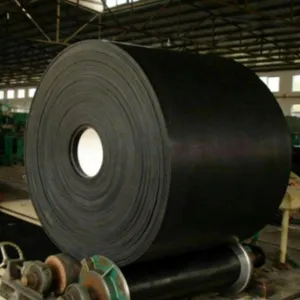
Nylon conveyor belts
Category: Conveyor Belt SystemsBrowse number: 18Number:Release time: 2025-12-29 13:15:10Product OverviewNylon conveyor belts are heavy-duty rubber conveyor belts designed for demanding material handling applications that require high tensile strength, excellent impact resistance, and superior flexibility. Compared with other fabric conveyor belts, nylon conveyor belts are especially suitable for long-distance conveying, high-load transportation, and environments with frequent starting and stopping.As one of the most reliable belt types in industrial conveying systems, nylon conveyor belts are widely used in mining, quarrying, ports, cement plants, steel plants, and bulk material... -
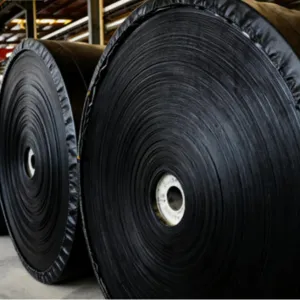
Steel cord conveyor belts
Category: Conveyor Belt SystemsBrowse number: 18Number:Release time: 2025-12-29 18:20:01Product OverviewSteel cord conveyor belts are high-performance rubber conveyor belts designed for extremely demanding material handling applications. Compared with fabric conveyor belts, steel cord conveyor belts offer significantly higher tensile strength, minimal elongation, and exceptional durability, making them the preferred solution for long-distance, high-capacity, and heavy-load conveying systems.These belts are widely used in large-scale mining operations, cement plants, power stations, ports, steel mills, and bulk material terminals where continuous operation, high reliability, and l...
News
Category:
-
[industry news]TD75 Belt Conveyor Specifications, Structure, and Working Pr...
2026-01-09 12:24:27
Case
Category:
No search results found!
Video
Category:
No search results found!
Download
Category:
No search results found!
Job
Category:
No search results found!
Featured Products
-
NEWS
Nylon conveyor belts
Learn more -
NEWS
Steel cord conveyor belts
Learn more



 WhatsApp
 Phone
Phone