
 Español
 Portugues
 Pусский
 Français
 Deutsch
 日本語
日本語 한국어
한국어 العربية
 Italiano
 Nederlands
 Ελληνικά
 Svenska
 Polski
 ไทย
ไทย Türk dili
 हिन्दी
 Indonesia
 Melayu
 Tiếng Việt
 中文
中文 dansk
dansk Magyar
 қазақ
қазақ বাংলা
বাংলা עִברִית
 čeština
 Soomaali
 မြန်မာ
 فارسی
فارسی українська
 norsk
norsk Gaeilge
 беларускі
 Română
 ພາສາລາວ
 Filipino
 lietuvių
 Cymraeg
 македонски
 Suomalainen
 slovenský
 o'zbek
 اردو
اردو հայերեն
 Igbo
Igbo български
 سنڌي
سنڌي Shona
Shona සිංහල
සිංහල Hrvatski
 íslenskur
 galego
 català
 Zulu South Africa
 Afrikaans isiXhosa
 ಕನ್ನಡ
ಕನ್ನಡ lëtzebuergesch
 Indonésia Sunda
 Кыргызча
 тоҷикӣ
 Србија
 Twi
Twi Hawaii
 Cebu
Cebu नेपाल
नेपाल euskara
 frissi
 יידיש
יידיש latvija
 slovenija
 kiswahili
 ਪੰਜਾਬ
ਪੰਜਾਬ پښتو
پښتو საქართველოს
 hua moni
 bosna
bosna Kreyòl ayisyen
 Eesti
Eesti Gàidhlig na h-Alba
 Samoa
Samoa Монгол
 Azərbaycan
 አማራ
አማራ Shqipëria
 Malagasy
 Malta
Malta ខ្មែរ
ខ្មែរ Chicheva
 中文(繁体)
 ଓଡିଆ
ଓଡିଆ Setswana
 Afrikaans
 Aymara
 Башҡорт
 Türkmenler
 ትግሪኛ
ትግሪኛ Afaan Oromoo
 অসমীয়া
 Kinyarwanda
 Ilocano
 Wolof
Wolof अवधी
अवधी Oluganda
 Bikol
Bikol Fulɓe
Fulɓe Kikongo
 Sango
Sango ދިވެހި
 Lingala
 मैथिली
 Tsonga
 ꯃꯦꯏ ꯊꯥꯏ꯫
 brezhoneg
 Furlan
 नेवा
नेवा རྫོང་ཁ
 Santali
 Аҧсуа
Аҧсуа Нохчийн
 Чӑваш
Чӑваш Татар
Татар Batak Karo
 دری
دری Diura
Diura Fengyu
 Eʋegbe
 Iban
Iban Fiji
Fiji Tonga
Tonga Inuktitut
 Nahuatl
 maaya yucatec
 Runasimi
 guarani
 Qafar
Qafar Acholi
 Dinka
Dinka Luo
Luo Lundi
Lundi isiNdebele
 Tshivenḓa
 Sesotho sa Leboa
 Sesotho sa Borwa
 Ndumbe
 Papuan Pidgin
 Rromani ćhib
 Thok Nath



conveyor belt for alkaline materials
Conveyor Belt for Alkaline Materials A conveyor belt designed for handling alkaline materials must be engineered to withstand the unique challenges posed by these substances. Alkaline materials, such as sodium hydroxide, potassium hydroxide, and various alkaline salts, are highly corrosive and can degrade standard conveyor components over time. Therefore, specialized materials, construction techniques, and maintenance practices are essential to ensure durability, efficiency, and safety in industrial applications. Material Selection The belt’s construction begins with selecting materials resistant to alkaline corrosion. Common choices include rubber compounds with high chemical resistance, polyurethane, or PVC coatings. These materials prevent degradation from prolonged exposure to alkaline substances. Additionally, the belt’s carcass—typically made from polyester, nylon, or steel cords—must be protected by an impermeable layer to prevent chemical penetration, which could weaken the belt’s structural integrity. Design Considerations The belt’s design must account for factors such as abrasion resistance, flexibility, and load capacity. Alkaline materials can be abrasive, so the belt surface may feature reinforced textures or coatings to minimize wear. For high-temperature applications, heat-resistant materials are incorporated to prevent softening or cracking. The belt’s joints and fasteners should also be corrosion-resistant, often using stainless steel or specialized alloys. Cleaning and Maintenance Since alkaline residues can accumulate on the belt, regular cleaning is crucial. Water sprays or specialized cleaning systems may be integrated to prevent material buildup, which can cause slippage or tracking issues. Maintenance protocols should include frequent inspections for signs of wear, cracks, or chemical damage, ensuring timely replacements to avoid unplanned downtime. Safety and Environmental Compliance Handling alkaline materials requires strict safety measures. The belt should minimize spillage to protect workers and the environment. Enclosures or dust suppression systems may be necessary to contain alkaline particulates. Additionally, the belt should comply with industry standards for chemical resistance and fire safety, especially in facilities processing large quantities of alkaline substances. Applications Conveyor belts for alkaline materials are widely used in industries such as chemical manufacturing, mining, water treatment, and food processing. They transport bulk powders, granules, or slurries efficiently while maintaining operational reliability. Conclusion A well-designed conveyor belt for alkaline materials combines robust materials, corrosion-resistant construction, and proactive maintenance to ensure long-term performance. By addressing the unique challenges of alkaline environments, these belts enhance productivity while maintaining safety and environmental compliance.
Products
Category:
-
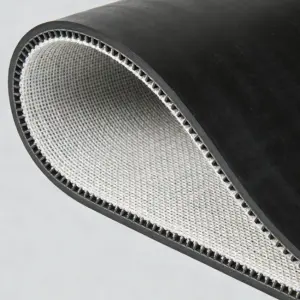
Alkaline Resistant Rubber Conveyor Belt for Chemical and Mining Industry
Category: Conveyor Belt SystemsBrowse number: 14Number:Release time: 2025-12-27 17:27:53Alkali Resistant Conveyor BeltReliable Conveyor Belt Solution for Alkaline Material TransportationProduct IntroductionAlkali resistant conveyor belts are specially engineered rubber conveyor belts designed to transport alkaline materials safely and efficiently under chemically aggressive environments. As industrial processes increasingly involve materials with strong alkaline properties, standard rubber conveyor belts often fail due to chemical degradation, surface cracking, swelling, or loss of mechanical strength. To address these challenges, alkali resistant conveyor belts are developed usi...
News
Category:
No search results found!
Case
Category:
No search results found!
Video
Category:
No search results found!
Download
Category:
No search results found!
Job
Category:
No search results found!
Featured Products
No search results found!



 WhatsApp
 Phone
Phone