
 Español
 Portugues
 Pусский
 Français
 Deutsch
 日本語
日本語 한국어
한국어 العربية
 Italiano
 Nederlands
 Ελληνικά
 Svenska
 Polski
 ไทย
ไทย Türk dili
 हिन्दी
 Indonesia
 Melayu
 Tiếng Việt
 中文
中文 dansk
dansk Magyar
 қазақ
қазақ বাংলা
বাংলা עִברִית
 čeština
 Soomaali
 မြန်မာ
 فارسی
فارسی українська
 norsk
norsk Gaeilge
 беларускі
 Română
 ພາສາລາວ
 Filipino
 lietuvių
 Cymraeg
 македонски
 Suomalainen
 slovenský
 o'zbek
 اردو
اردو հայերեն
 Igbo
Igbo български
 سنڌي
سنڌي Shona
Shona සිංහල
සිංහල Hrvatski
 íslenskur
 galego
 català
 Zulu South Africa
 Afrikaans isiXhosa
 ಕನ್ನಡ
ಕನ್ನಡ lëtzebuergesch
 Indonésia Sunda
 Кыргызча
 тоҷикӣ
 Србија
 Twi
Twi Hawaii
 Cebu
Cebu नेपाल
नेपाल euskara
 frissi
 יידיש
יידיש latvija
 slovenija
 kiswahili
 ਪੰਜਾਬ
ਪੰਜਾਬ پښتو
پښتو საქართველოს
 hua moni
 bosna
bosna Kreyòl ayisyen
 Eesti
Eesti Gàidhlig na h-Alba
 Samoa
Samoa Монгол
 Azərbaycan
 አማራ
አማራ Shqipëria
 Malagasy
 Malta
Malta ខ្មែរ
ខ្មែរ Chicheva
 中文(繁体)
 ଓଡିଆ
ଓଡିଆ Setswana
 Afrikaans
 Aymara
 Башҡорт
 Türkmenler
 ትግሪኛ
ትግሪኛ Afaan Oromoo
 অসমীয়া
 Kinyarwanda
 Ilocano
 Wolof
Wolof अवधी
अवधी Oluganda
 Bikol
Bikol Fulɓe
Fulɓe Kikongo
 Sango
Sango ދިވެހި
 Lingala
 मैथिली
 Tsonga
 ꯃꯦꯏ ꯊꯥꯏ꯫
 brezhoneg
 Furlan
 नेवा
नेवा རྫོང་ཁ
 Santali
 Аҧсуа
Аҧсуа Нохчийн
 Чӑваш
Чӑваш Татар
Татар Batak Karo
 دری
دری Diura
Diura Fengyu
 Eʋegbe
 Iban
Iban Fiji
Fiji Tonga
Tonga Inuktitut
 Nahuatl
 maaya yucatec
 Runasimi
 guarani
 Qafar
Qafar Acholi
 Dinka
Dinka Luo
Luo Lundi
Lundi isiNdebele
 Tshivenḓa
 Sesotho sa Leboa
 Sesotho sa Borwa
 Ndumbe
 Papuan Pidgin
 Rromani ćhib
 Thok Nath

conveyor belt alignment idler
Conveyor Belt Alignment Idler: Ensuring Smooth and Efficient Material Handling A conveyor belt alignment idler is a critical component in bulk material handling systems, designed to maintain proper belt tracking and prevent misalignment. Misaligned conveyor belts can lead to excessive wear, spillage, increased energy consumption, and even system failure. The alignment idler helps correct deviations in belt path, ensuring smooth and efficient operation. Function and Importance The primary function of an alignment idler is to guide the conveyor belt back to its intended path when it begins to drift sideways. Unlike standard idlers, which only support the belt, alignment idlers have an adjustable mechanism that responds to belt movement, either through pivoting or tilting actions. This self-correcting feature minimizes manual intervention and reduces downtime. Proper belt alignment is crucial for several reasons: - Reduced Wear & Tear: Misalignment causes uneven stress on the belt edges, leading to premature damage. - Prevention of Spillage: A misaligned belt can allow material to fall off, creating safety hazards and cleanup costs. - Energy Efficiency: A well-aligned belt reduces friction, lowering power consumption. - Extended Equipment Life: Proper tracking reduces strain on rollers, bearings, and drive systems. Types of Alignment Idlers 1. Self-Aligning Idler (Return Side): Typically installed on the return side of the belt, these idlers have pivoting frames that adjust automatically when the belt drifts. 2. Training Idler (Carry Side): Positioned on the load-carrying side, these idlers tilt slightly to steer the belt back to center. 3. Garland Idler: Consists of multiple rollers arranged in a trough shape, providing additional stability and alignment support. Key Features - Adjustability: Many alignment idlers allow manual or automatic adjustments to fine-tune belt tracking. - Durability: Constructed from high-quality steel or impact-resistant polymers to withstand harsh environments. - Low Friction Design: Ensures smooth movement with minimal resistance. - Ease of Maintenance: Some models feature quick-release mechanisms for easy replacement or servicing. Installation and Maintenance Proper installation is essential for optimal performance. Alignment idlers should be placed at strategic points along the conveyor, such as near loading zones or curves where misalignment is most likely. Regular inspections should check for: - Wear on rollers and frames - Smooth pivoting or tilting action - Proper belt tension and tracking Conclusion The conveyor belt alignment idler plays a vital role in maintaining operational efficiency and reducing maintenance costs. By ensuring consistent belt tracking, it enhances productivity and prolongs the lifespan of the conveyor system. Selecting the right type and maintaining it properly will maximize performance in any bulk material handling application.
Products
Category:
-
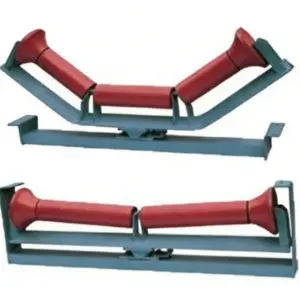
conveyor belt alignment idler
Category: Idler Roller SeriesBrowse number: 18Number:Release time: 2026-01-06 10:40:34Reversible Self-Aligning Idler SetPrecision Belt Tracking Solution for Stable Conveyor OperationProduct OverviewA reversible self-aligning idler set, also known as a reversible training idler roller set, is a specialized conveyor idler assembly designed to automatically correct conveyor belt misalignment in both forward and reverse operating directions. Unlike fixed idler sets, reversible self-aligning idlers respond dynamically to belt deviation and apply corrective forces that guide the belt back to its central running position.In modern belt conveyor systems, belt mistracking is one of the...
News
Category:
No search results found!
Case
Category:
No search results found!
Video
Category:
No search results found!
Download
Category:
No search results found!
Job
Category:
No search results found!
Featured Products
No search results found!



 WhatsApp
 Phone
Phone