
 Español
 Portugues
 Pусский
 Français
 Deutsch
 日本語
日本語 한국어
한국어 العربية
 Italiano
 Nederlands
 Ελληνικά
 Svenska
 Polski
 ไทย
ไทย Türk dili
 हिन्दी
 Indonesia
 Melayu
 Tiếng Việt
 中文
中文 dansk
dansk Magyar
 қазақ
қазақ বাংলা
বাংলা עִברִית
 čeština
 Soomaali
 မြန်မာ
 فارسی
فارسی українська
 norsk
norsk Gaeilge
 беларускі
 Română
 ພາສາລາວ
 Filipino
 lietuvių
 Cymraeg
 македонски
 Suomalainen
 slovenský
 o'zbek
 اردو
اردو հայերեն
 Igbo
Igbo български
 سنڌي
سنڌي Shona
Shona සිංහල
සිංහල Hrvatski
 íslenskur
 galego
 català
 Zulu South Africa
 Afrikaans isiXhosa
 ಕನ್ನಡ
ಕನ್ನಡ lëtzebuergesch
 Indonésia Sunda
 Кыргызча
 тоҷикӣ
 Србија
 Twi
Twi Hawaii
 Cebu
Cebu नेपाल
नेपाल euskara
 frissi
 יידיש
יידיש latvija
 slovenija
 kiswahili
 ਪੰਜਾਬ
ਪੰਜਾਬ پښتو
پښتو საქართველოს
 hua moni
 bosna
bosna Kreyòl ayisyen
 Eesti
Eesti Gàidhlig na h-Alba
 Samoa
Samoa Монгол
 Azərbaycan
 አማራ
አማራ Shqipëria
 Malagasy
 Malta
Malta ខ្មែរ
ខ្មែរ Chicheva
 中文(繁体)
 ଓଡିଆ
ଓଡିଆ Setswana
 Afrikaans
 Aymara
 Башҡорт
 Türkmenler
 ትግሪኛ
ትግሪኛ Afaan Oromoo
 অসমীয়া
 Kinyarwanda
 Ilocano
 Wolof
Wolof अवधी
अवधी Oluganda
 Bikol
Bikol Fulɓe
Fulɓe Kikongo
 Sango
Sango ދިވެހި
 Lingala
 मैथिली
 Tsonga
 ꯃꯦꯏ ꯊꯥꯏ꯫
 brezhoneg
 Furlan
 नेवा
नेवा རྫོང་ཁ
 Santali
 Аҧсуа
Аҧсуа Нохчийн
 Чӑваш
Чӑваш Татар
Татар Batak Karo
 دری
دری Diura
Diura Fengyu
 Eʋegbe
 Iban
Iban Fiji
Fiji Tonga
Tonga Inuktitut
 Nahuatl
 maaya yucatec
 Runasimi
 guarani
 Qafar
Qafar Acholi
 Dinka
Dinka Luo
Luo Lundi
Lundi isiNdebele
 Tshivenḓa
 Sesotho sa Leboa
 Sesotho sa Borwa
 Ndumbe
 Papuan Pidgin
 Rromani ćhib
 Thok Nath

belt conveyor carrying idler
Belt Conveyor Carrying Idlers: Function, Design, and Applications Carrying idlers are critical components in belt conveyor systems, supporting the conveyor belt and its load along the carrying side. They ensure smooth belt movement, minimize friction, and maintain proper belt alignment, contributing to efficient material handling in industries such as mining, manufacturing, and logistics. Function and Importance The primary role of carrying idlers is to bear the weight of the conveyed material while reducing belt sag and resistance. They distribute the load evenly across the belt, preventing excessive stress and wear. Properly designed idlers enhance conveyor efficiency, reduce energy consumption, and extend belt life. Without adequate idler support, the belt may experience misalignment, increased friction, or even premature failure. Design and Construction Carrying idlers typically consist of a steel frame with one or more rollers (usually three in a troughing configuration). The rollers are mounted on bearings, allowing them to rotate freely as the belt moves. Common designs include: 1. Troughing Idlers – The most widely used type, featuring a central roller with two inclined side rollers (usually at 20°, 35°, or 45° angles) to form a trough. This design increases load capacity and prevents material spillage. 2. Flat Carrying Idlers – Used for lightweight or low-volume applications where a flat belt surface is sufficient. 3. Impact Idlers – Equipped with rubber rings or cushioning to absorb shock when heavy or abrasive materials are loaded onto the belt. Materials used for rollers include steel, rubber-coated steel, or high-density polyethylene (HDPE) to resist wear, corrosion, and impact. Selection Considerations Key factors in choosing carrying idlers include: - Load Capacity – Determines the number and spacing of idlers. Heavier loads require closer spacing or reinforced idlers. - Belt Speed – High-speed conveyors need precision-balanced idlers to minimize vibration. - Environmental Conditions – Harsh environments (e.g., moisture, dust, or extreme temperatures) may require sealed bearings or corrosion-resistant coatings. - Maintenance Requirements – Self-lubricating or low-maintenance idlers reduce downtime. Applications Carrying idlers are essential in industries handling bulk materials, such as: - Mining – Transporting coal, ore, and aggregates. - Agriculture – Moving grain, fertilizer, and other produce. - Construction – Handling sand, gravel, and cement. - Manufacturing – Conveying packaged goods or raw materials. Conclusion Carrying idlers play a vital role in belt conveyor performance by ensuring smooth operation, load support, and belt longevity. Proper selection, installation, and maintenance are crucial for optimizing conveyor efficiency and reducing operational costs. Advances in materials and design continue to enhance idler durability and performance in demanding applications.
Products
Category:
-
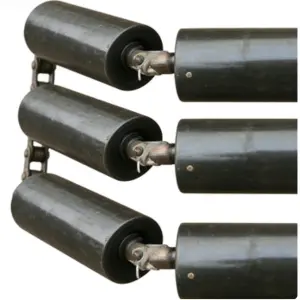
Three-Roller Idler Set
Category: Idler Roller SeriesBrowse number: 18Number:Release time: 2026-01-06 14:18:15Three-Roller Idler SetStable Load Support Solution for Belt Conveyor Carrying SectionsProduct OverviewThe three-roller idler set is one of the most commonly used carrying idler configurations in belt conveyor systems. Designed to support the conveyor belt and transported material on the carrying side, this idler set consists of three individual rollers arranged on a rigid steel frame. By forming a stable and efficient belt support structure, three-roller idler sets help maintain belt shape, distribute load evenly, and ensure smooth conveyor operation.Unlike specialized idlers such as impact id...
News
Category:
No search results found!
Case
Category:
No search results found!
Video
Category:
No search results found!
Download
Category:
No search results found!
Job
Category:
No search results found!
Featured Products
No search results found!



 WhatsApp
 Phone
Phone